
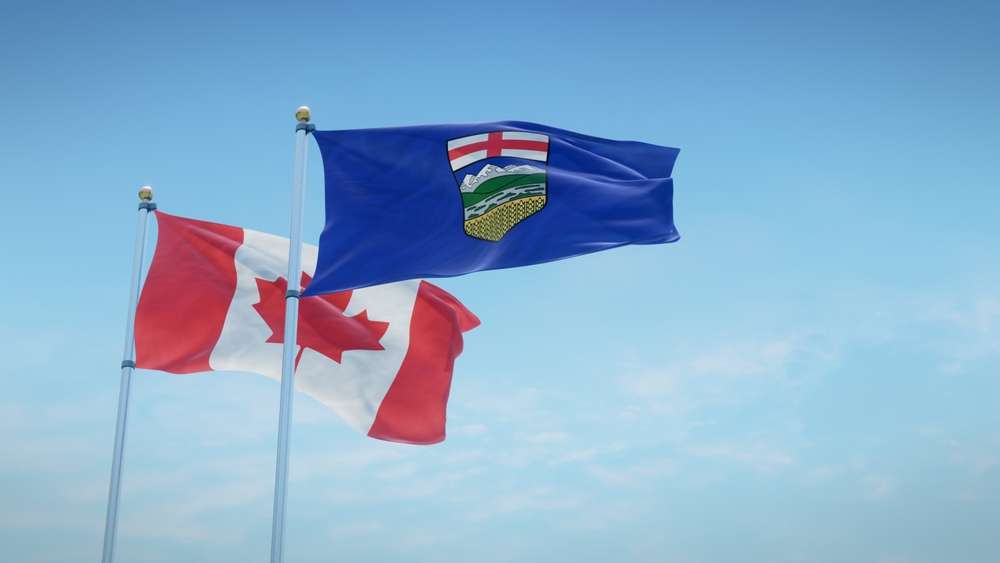
‘Breakin’ Up is Hard to Do: how Canadians understand the process of separation
June 6, 2025
Since the April 28th federal election and the victory of the Liberal party there has been considerable talk about an Albertan referendum on separation from Canada. Several surveys have assessed the levels of support for sovereignty amongst Albertans with varying outcomes. There has been much less discussion about the process of a referendum in Canada and while some might look to Quebec for a precedent (s) in that regard, it remains hard to predict what the aftermath of a majority vote for sovereignty would entail in terms of next steps. If some legislative framework exists in terms of the rules for recognition on the part of the rest of Canada in the event of a favorable sovereignty outcome it would emerge from the Federal Clarity Act (Bill C 20) officially known as the "An Act to give effect to the requirement for clarity as set out in the opinion of the Supreme Court of Canada in the matter of [Quebec v. Attorney General of Canada]," Adopted In June 2000, the Canadian federal law offers some guidelines around the process of a province seeking to secede from Canada. Some twenty five years later with the prospect of referendums in Alberta and in Quebec in the next few years, how do Canadians view the process associated with a possible exit from the country. To better understand this, the Association for Canadian Studies commissioned the firm Leger to see how Canadians understand several key issues associated with the process of a sovereignty referendum and what a majority favorable vote might mean for what follows. The findings emerge from a survey conducted by Leger Marketing for the Association for Canadian Studies over the period May 16-18, 2025.with1537 respondents in Canada. A margin of error cannot be associated with a non-probability sample in a panel survey for comparison purposes. A probability sample of 1537 respondents would have a margin of error of ±2.5%, 19 times out of 20.