
‘Dual-ing’ Citizenship: views on Canadian Citizenship
January 16, 2026
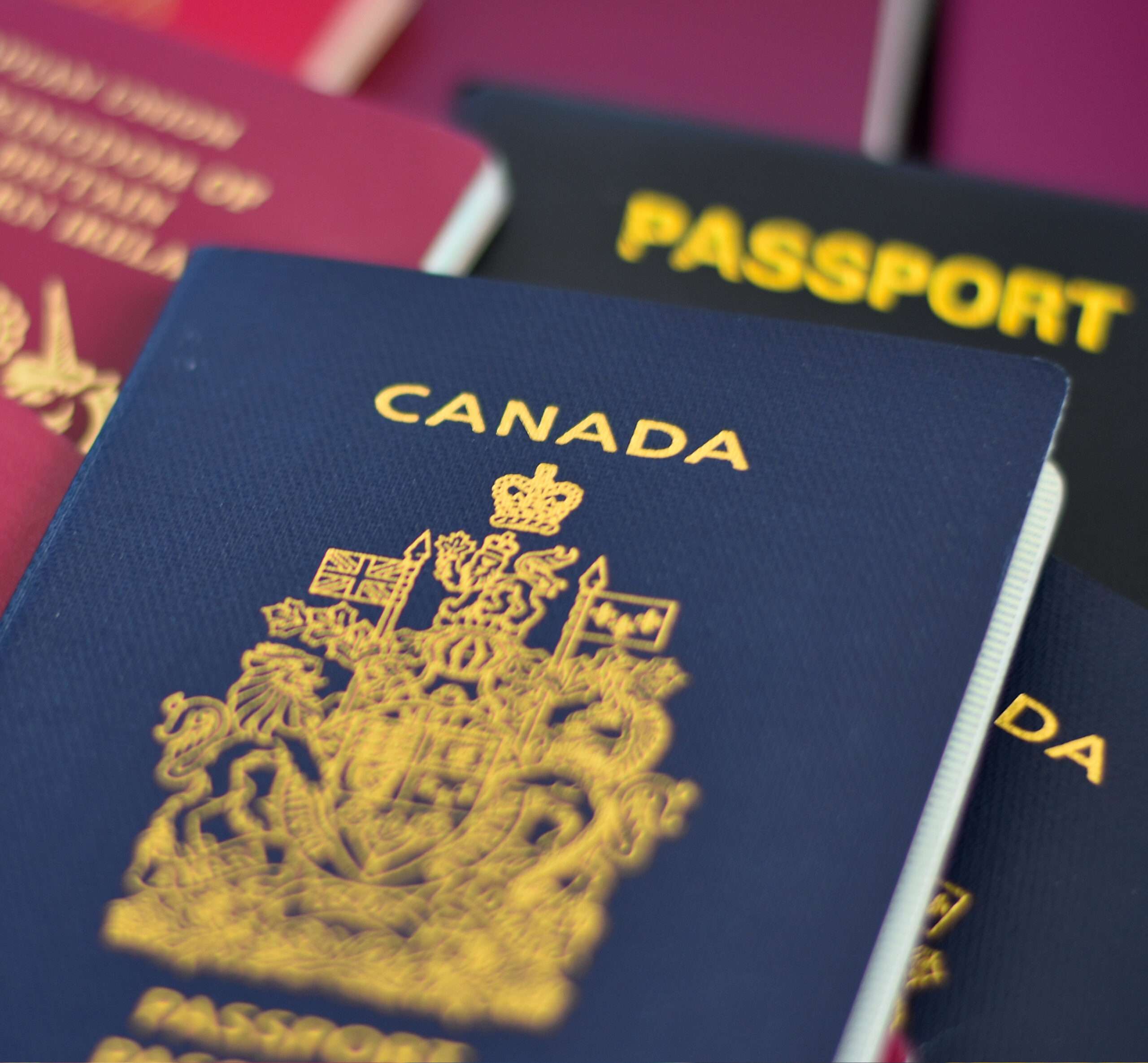
Although not all countries allow dual citizenship permits one to hold two nationalities at the same time without losing any rights. However, not all countries allow dual citizenship. By becoming a dual citizen or dual national, you can benefit from access to both countries’ social and healthcare services, living in the two countries without any visa restrictions, and holding two passports for global mobility. However, at the same time, you might face legal and tax obligations in both countries. While exact global rankings are difficult to obtain the United States, Canada, Switzerland, and many EU nations have high rates of dual citizenship with Canada reporting 11.2% (3.7M) dual citizens, a high percentage of naturalized citizens (44.7%) having multiple citizenships, and Switzerland around 19% of its population, reflecting strong acceptance. Debates on dual citizenship are rising globally generated by an increase in country acceptance and some recent high-profile legislative pushback in the US and elsewhere. A survey conducted by Leger for the Association for Canadian Studies reveals that younger Canadians and newcomers like the idea of holding dual citizenship. And a plurality of Canadians disagree that dual citizenship results in dual loyalties. The survey also finds that a majority of Canadian born and immigrant would prefer to be citizens of Canada than any other country. Yet on each of the questions regarding citizenship there are some important differences in opinion which to some extent reflect on debates over national identity. Unlike the US where some legislators want to revisit the issue of dual citizenship, thanfully there is no legislator driving such a conversation in Canada. The survey was conducted by Leger for the Association for Canadian Studies with 1723 respondents in Canada over the period December 19-21, 2025 A margin of error cannot be associated with a non-probability sample in a panel survey for comparison purposes. A probability sample of 1723 respondents would have a margin of error of ±2.5%, 19 times out of 20.